
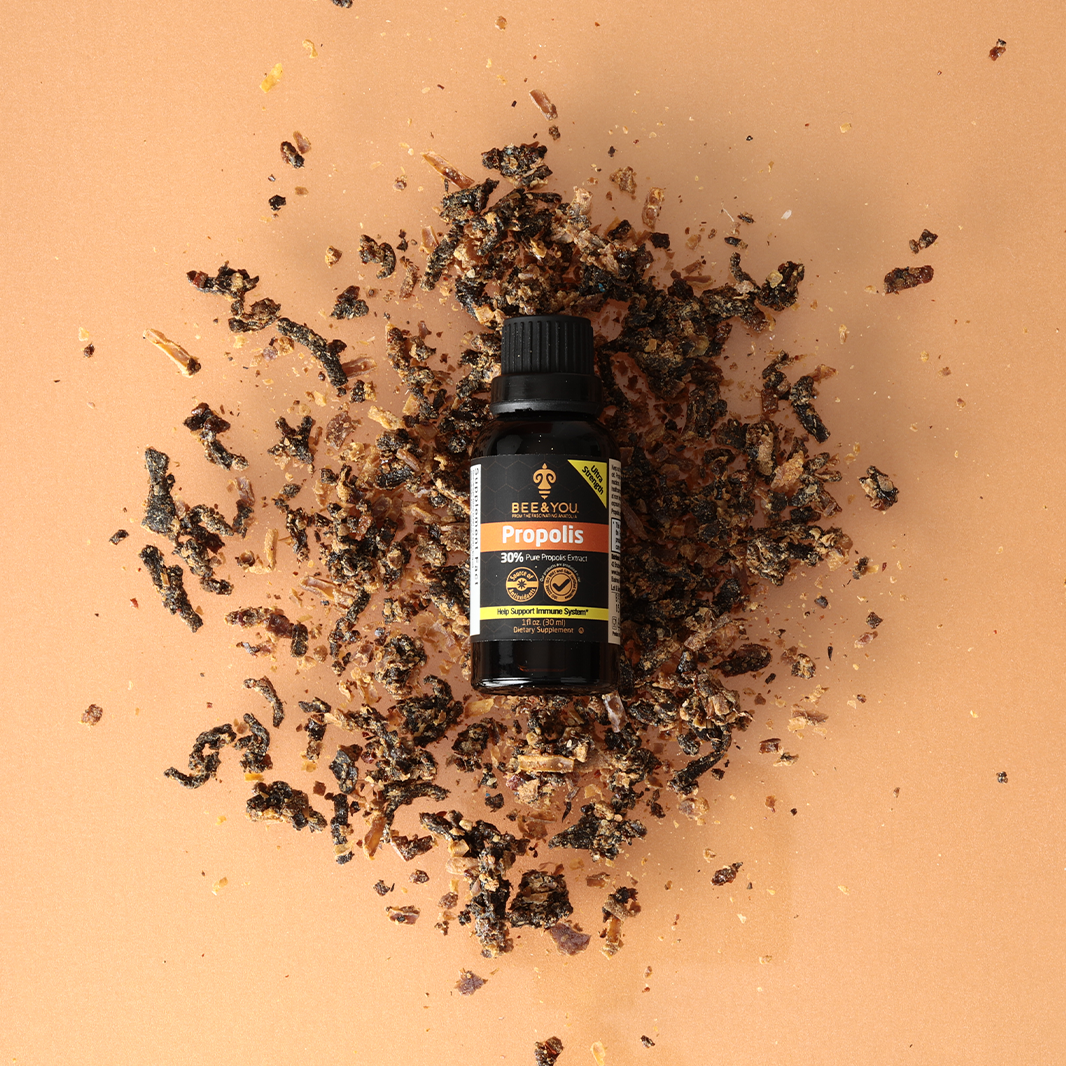


In this study the authors evaluated the antibacterial activity of several propolis extracts—obtained and formulated via different extraction methods and solvents and thus exhibiting differing phenolic profiles—against clinically isolated, carbapenem-resistant strains of the Gram-negative bacteria Acinetobacter baumannii (strains K17, K16, K21), Klebsiella pneumoniae (K22, K19) and Stenotrophomonas maltophilia (E5, E7, E4). The total phenolic content (TPC) of the propolis extracts spanned from ~27.34 to ~98.34 mg GAE/mL, and total flavonoid content from ~0.23 to ~14.76 mg QE/mL; the strongest extract in these terms (commercial 30 % ethanolic Anatolian propolis, labeled P4) also showed the highest flavonoid level. Antimicrobial efficacy was assessed by disk diffusion, minimum inhibitory concentration (MIC) and minimum bactericidal concentration (MBC) assays, and results demonstrated that all tested propolis extracts exhibited inhibitory activity toward the resistant bacterial strains—though with differing magnitudes depending on the extract–strain combination. The authors conclude that these findings are promising for the use of propolis extracts as alternative or adjunctive antibacterial agents against multidrug-resistant infections; however, they caution that further randomized clinical studies are required to support practical therapeutic application.
Esertaş, Ü. Z., Inal, N., Can, Z., & Kolaylı, S. (2025). A Promising Antibacterial Inhibition of Propolis Extracts Against Carbapenem‐Resistant Bacteria Isolated From Clinical Samples. Chemistry & Biodiversity, e00158.


